Financial recovery doesn’t happen overnight. For many people, it begins after a mistake, setback, or life event that disrupts their financial balance. These recovery stories are powerful reminders that financial problems are not permanent and that with the right mindset and practical steps, rebuilding is possible.
Hitting the Financial Breaking Point
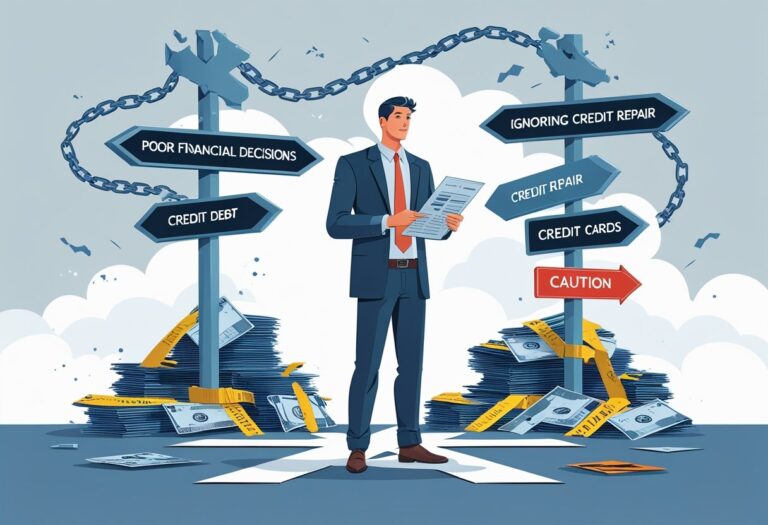
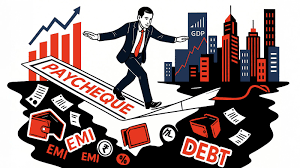
Most recovery journeys start with a wake-up call. It might be mounting credit card debt, missed loan payments, or the stress of living paycheck to paycheck. In many cases, people avoid looking at their finances until the pressure becomes overwhelming. That moment of honesty—acknowledging the problem—is often the turning point.
For one individual, it was a sudden job loss combined with rising living costs. Savings were minimal, debt was growing, and stress became a daily companion. The financial situation felt unmanageable, but facing the numbers was the first real step toward recovery.
Creating a Simple Plan
Once the problem was clear, the focus shifted from panic to planning. Recovery doesn’t require perfection—it requires structure. Many successful recovery stories begin with a basic budget that outlines income, essential expenses, and debt obligations. By cutting unnecessary spending and prioritizing essentials, people regain control over their cash flow.
In this case, discretionary expenses were reduced, subscriptions were canceled, and spending habits were tracked weekly. This created immediate relief and allowed small amounts to be redirected toward savings and debt repayment.
Tackling Debt Step by Step
Debt often feels like the biggest obstacle during recovery. Rather than trying to eliminate everything at once, many individuals succeed by choosing one clear strategy. Some focus on paying off the smallest balances first to gain momentum, while others target high-interest debt to reduce long-term costs.
Progress may feel slow at first, but every paid-off balance builds confidence. Over time, fewer payments and reduced interest free up cash for other goals. This stage of recovery is where discipline and consistency matter more than speed.
Rebuilding Savings and Confidence
As debt decreases, the next phase of recovery is rebuilding savings. Even a small emergency fund provides peace of mind and prevents setbacks from turning into new debt. Many people begin with a modest goal and gradually increase contributions as finances stabilize.
Financial recovery is as much emotional as it is practical. Seeing savings grow—even slowly—restores confidence and replaces fear with control. People begin making decisions based on planning rather than pressure.
Changing Money Habits for the Long Term
True recovery happens when behavior changes. Many people reflect on what caused their financial struggle in the first place—impulse spending, lack of budgeting, or relying too heavily on credit. Learning from these patterns prevents future setbacks.
Education plays a key role. Reading about personal finance, using budgeting tools, and understanding credit scores help people make better decisions. Over time, new habits replace old ones, creating long-term financial stability.
Life After Financial Recovery
Recovery doesn’t mean becoming wealthy overnight. It means feeling secure, confident, and prepared. People who rebuild their finances often describe better sleep, reduced stress, and improved relationships. Financial recovery empowers individuals to plan for the future instead of worrying about the next bill.
About the Author