Financial recovery often begins quietly—not with a big win, but with a small decision to stop avoiding money problems. Many people believe recovery requires a high income or sudden opportunity, but most real stories prove otherwise. Long-term stability is usually built through small, consistent changes applied over time.
Facing the Reality of Financial Trouble
One of the hardest moments in any recovery story is acknowledging the full financial picture. For many, this means opening unpaid bills, reviewing loan statements, and checking bank balances after months—or years—of avoidance. Fear and shame often delay this step, but clarity is essential.
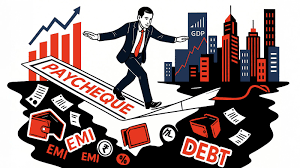
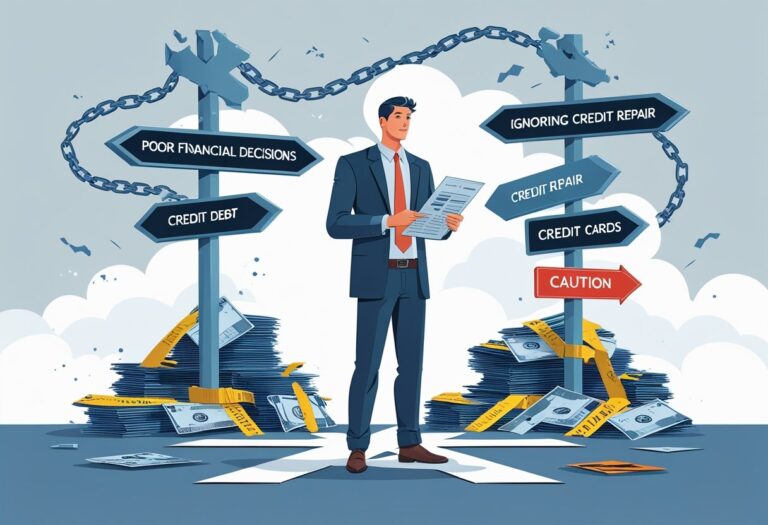
In one common recovery journey, the problem wasn’t a single mistake but a series of small ones: overspending on credit cards, ignoring budgets, and assuming future income would “fix everything.” When repayments began to exceed income, the stress became impossible to ignore. That moment of honesty marked the beginning of recovery.
Stabilizing Before Growing
The first phase of recovery focuses on stability, not growth. This means ensuring rent, utilities, food, and transportation are covered before addressing long-term goals. Many people in recovery pause investing and non-essential spending to create breathing room.
A simple zero-based or priority-based budget often becomes the foundation. Every rupee or pound is assigned a job, even if that job is “survival.” This approach removes uncertainty and replaces chaos with structure.
Regaining Control Over Debt
Debt recovery is rarely fast, but it is achievable. Successful stories often highlight the importance of choosing one repayment method and sticking to it. Some start with the smallest balances to gain motivation, while others target the highest-interest loans to reduce financial pressure.
During this phase, lifestyle adjustments are common. Eating out less, delaying purchases, and selling unused items help create extra cash for repayments. These sacrifices are temporary, but the benefits last long after the debt is reduced.
Rebuilding an Emergency Buffer
Once debt becomes manageable, attention shifts to protection. Many people rebuilding their finances start with a very small emergency fund. Even a modest buffer prevents minor setbacks—like medical bills or repairs—from undoing months of progress.
This stage is often where confidence begins to return. Knowing there is money set aside for emergencies changes how people think about risk and spending. Decisions become calmer and more intentional.
Changing Habits That Caused the Setback
Financial recovery isn’t complete without behavioral change. Many people reflect on what led them into trouble: emotional spending, lack of tracking, or depending on credit for everyday expenses. Recovery stories consistently show that awareness leads to better choices.
Learning basic personal finance concepts—budgeting, interest calculations, credit scoring—helps prevent future mistakes. Recovery becomes sustainable when habits change, not just numbers.
Life After Financial Recovery
Life after recovery doesn’t mean financial perfection. It means predictability, confidence, and reduced stress. Bills are paid on time, savings exist, and future goals feel achievable. Many people describe improved mental health and stronger relationships once money stress fades.
About the Author