Financial recovery often feels impossible when money problems have lasted for years. Many people believe that once debt piles up or savings disappear, there is no realistic way back. Real recovery stories show the opposite. Even after long periods of poor money decisions, steady action and patience can completely change a financial future.
When Financial Problems Become a Pattern
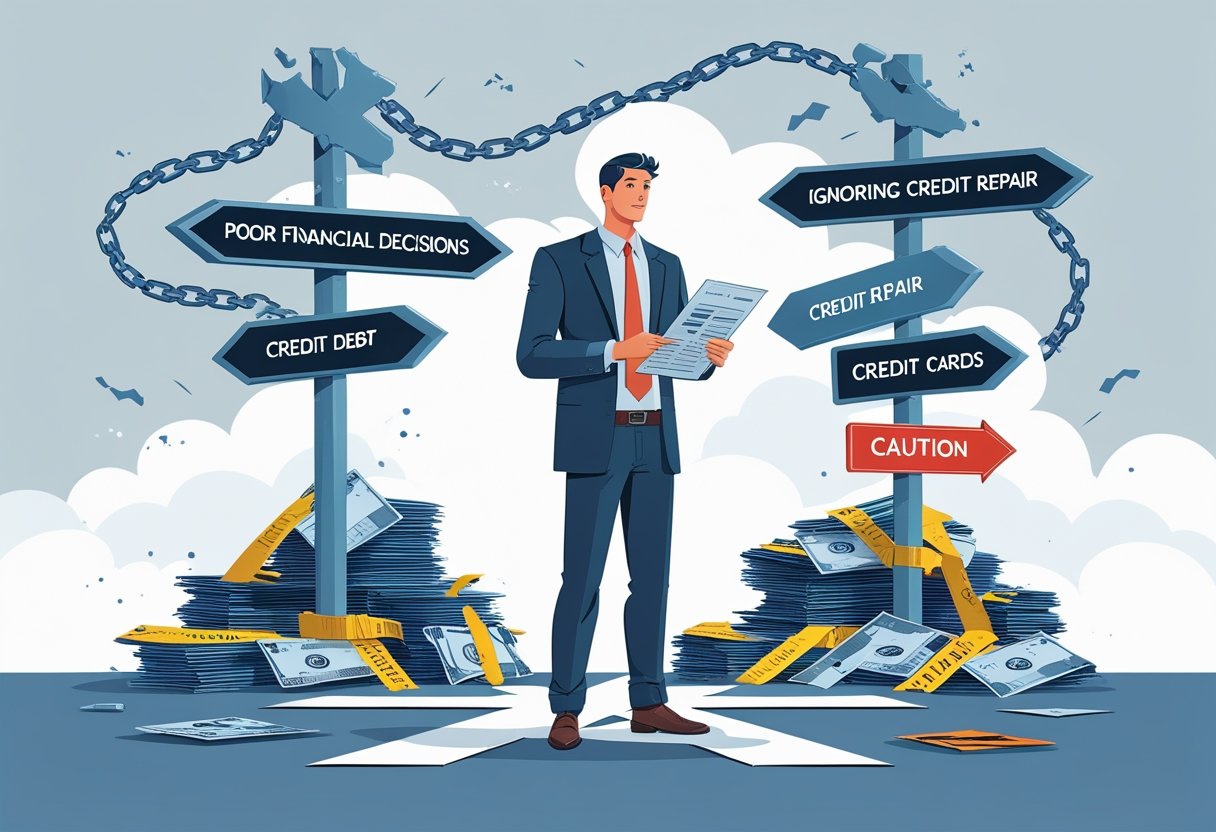
In many recovery journeys, the issue is not a single mistake but a repeating pattern. Overspending, ignoring budgets, relying on credit for daily expenses, and delaying repayments slowly create a fragile financial situation. Because the damage happens gradually, it’s easy to believe things are “manageable” until they no longer are.
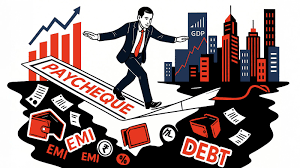
One recovery story began after years of minimum payments and rising balances. Credit cards were maxed out, savings were nonexistent, and each month felt like a race to the next paycheck. Stress became constant, and financial confidence disappeared.
The Decision to Take Responsibility
Recovery truly begins when blame is replaced with responsibility. Instead of focusing on past choices, successful recoveries focus on present action. This moment often comes after realizing that avoidance only makes the problem worse.
The first step was simple but uncomfortable: listing every debt, expense, and income source. Seeing the full picture brought clarity. While the numbers were discouraging, they provided a starting point. Recovery needs honesty more than optimism.
Building a Financial Foundation
Before paying off debt aggressively, many people focus on building a stable base. This includes creating a realistic budget that prioritizes essentials and eliminates unnecessary spending. Small adjustments—such as reducing eating out, switching to cheaper services, or pausing non-essential purchases—create immediate breathing room.
During this stage, progress may feel slow. However, stability is critical. Without it, any recovery effort risks collapsing under unexpected expenses.
Making Consistent Debt Progress
Once stability is achieved, consistent debt reduction becomes possible. Recovery stories often highlight the power of routine payments, even if the amounts are small. Regular progress builds momentum and reduces mental stress over time.
Some people choose to pay off smaller debts first to stay motivated, while others focus on reducing high-interest balances. The method matters less than consistency. Over time, fewer debts mean more cash flow and greater control.
Learning Financial Skills Along the Way
Financial recovery is not just about fixing numbers—it’s about building knowledge. Many people realize during recovery that they were never taught how interest works, how to budget properly, or how credit scores are calculated.
Learning these basics transforms future decisions. People begin questioning purchases, comparing loan options, and planning ahead instead of reacting emotionally. Education turns recovery into long-term protection.
A New Financial Outlook
Life after recovery feels calmer and more predictable. Bills are paid on time, emergencies are manageable, and money decisions are no longer driven by fear. While wealth may still be a work in progress, stability replaces stress.
Most importantly, financial recovery restores confidence. People realize they are capable of managing their finances, regardless of past mistakes.
About the Author